
Humanising the System
The Power of Kindness, Compassion and Creativity in Action

“We must make sure that services are kind, caring, and give the best support possible.”
A bonus newsletter today - I do my best to get these write-ups done for you while the events are fresh in my mind and the inspiration powers me through… just let me know if it’s too much, ok?
Today, I had the privilege of helping to host a very special gathering at the Millennium Gallery in Sheffield city centre. The event, Humanising the System, brought together self advocates from Speakup Self Advocacy and Sheffield Voices, university researchers led by Dan Goodley from the University of Sheffield, NHS colleagues, and friends from Sheffield City Council’s Public Health team, including Eleanor Rutter and Helen Watson. It was supported by a wider group that included Nikita Hayden, Bojana Daw Srdanovic, Elinor Noble, Lauren White and Antonios Ktenidis, each playing their part in shaping the day.
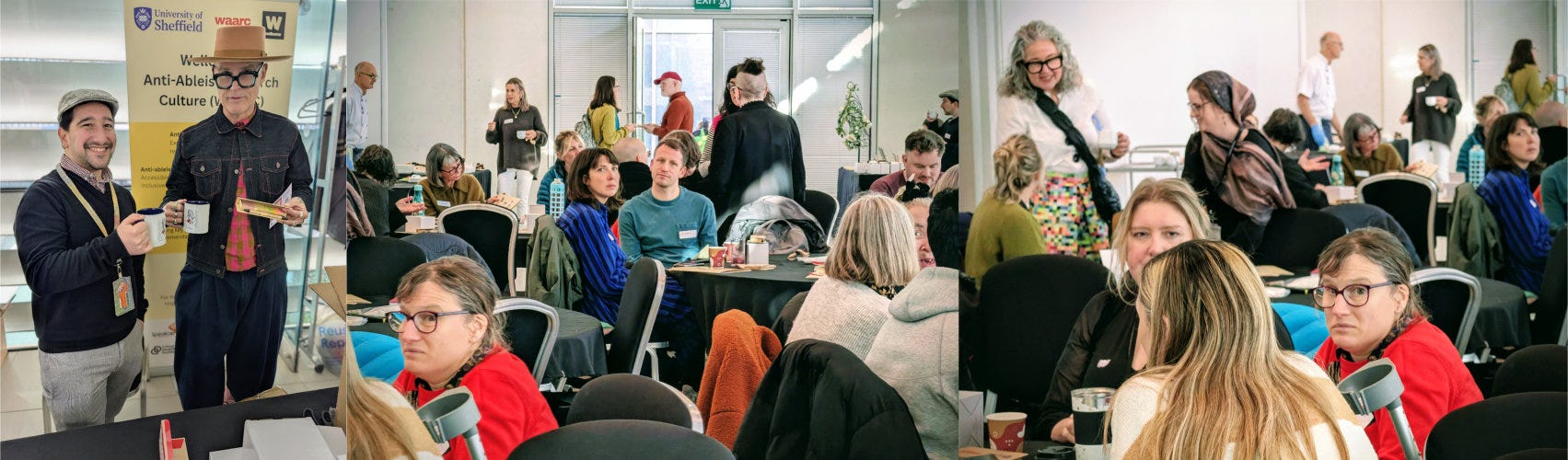
This was much more than a consultation. It was an honest conversation about how we work together to make healthcare, social care, our communities and our society kinder, fairer and more human for all of us.
We opened with a recorded message from the Lord Mayor of Sheffield, Councillor Safiya Saeed. She encouraged us to question why systems become so complex and asked us to keep giving the system a heartbeat that is designed for us, not against us.
At the centre of the day was a powerful reading of the Reclaiming the Human in Healthcare Manifesto by Jodie, Vicky and Alison from Speakup Self Advocacy. As we explored its words together, I felt again how closely its themes match the heart of what we are trying to do through Love Sheffield and Project Ignite.

Finding the human edge in healthcare
The Manifesto begins from a very simple, very important place. Humanising healthcare means seeing the person as a human, not as a diagnosis or a label. It asks us to notice the whole life of the person in front of us, how they live and feel outside the clinic or hospital.
This is exactly where our work connects with the Manifesto.
Project Ignite is built on the belief that we must put real human needs, agency and stories at the centre. It is a gentle refusal of cold, transactional systems that treat people as problems to process rather than neighbours to know.
We found shared purpose in several key ideas.
Kindness is not optional. The Manifesto states clearly that people who work in services should be kind and caring, and that kindness does not cost extra time or money. This is completely in tune with the Project Ignite foundation of kindness, compassion and creativity.
Agency and expertise. The Manifesto insists that people with learning disabilities and their families are the experts in their own lives. Project Ignite calls this local agency and empowerment. We trust people to know their own reality. Good care is something we take part in. It must be done with us, not to us.
Strengths, not deficits. The Manifesto reminds us that a society should be judged by how it treats the most vulnerable, and that including everyone in community life makes all our lives richer. This mirrors our asset based approach, which looks first for the strengths, skills and relationships already present, rather than endlessly listing what is missing.
We also heard how, during Covid, self advocates showed others how connection could continue online. They learned new digital skills and helped keep people linked, even while some were left out through lack of internet access. It was a reminder that lived experience often leads the way.
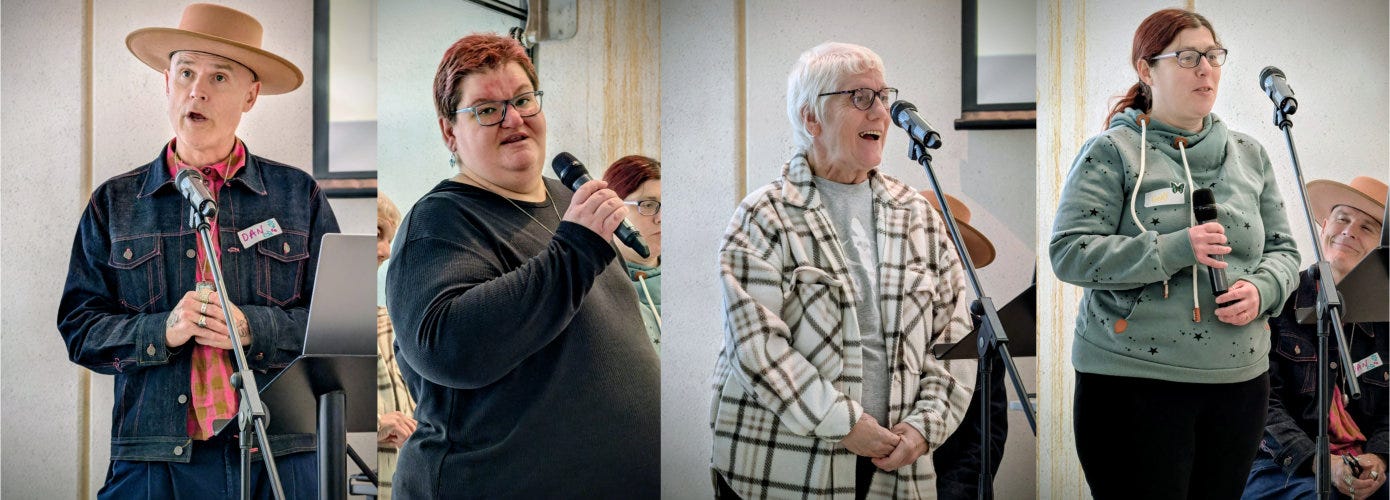
Lived experience: the power of theatre
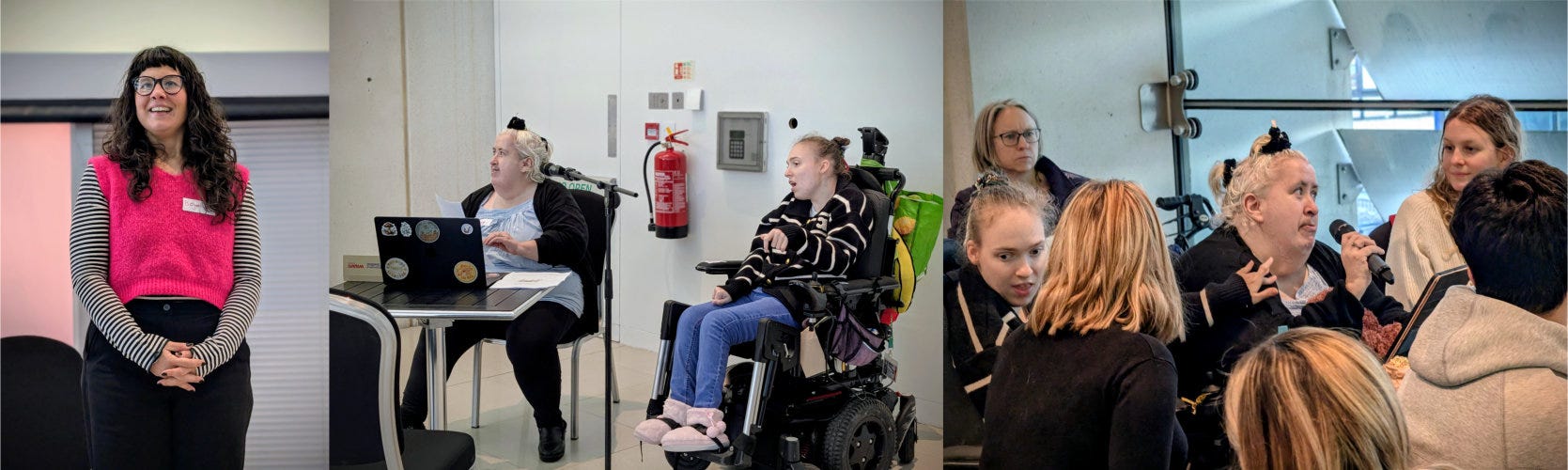
One of the most moving parts of the day was a piece of forum theatre created by Jodie, Vicky and Alison from Speakup Self Advocacy, with support from Nikita (University of Sheffield) and Bojana (University of Plymouth).
This was not theatre to sit back and watch. It was theatre to join in with.
They acted out a scene in which a patient struggled to be heard by a doctor. It was painfully familiar. Then the room was invited to stop the action, step in and suggest changes. We were reminded that it is not hard to see what is going wrong. The harder, more important work is to imagine and practise how to make it better.
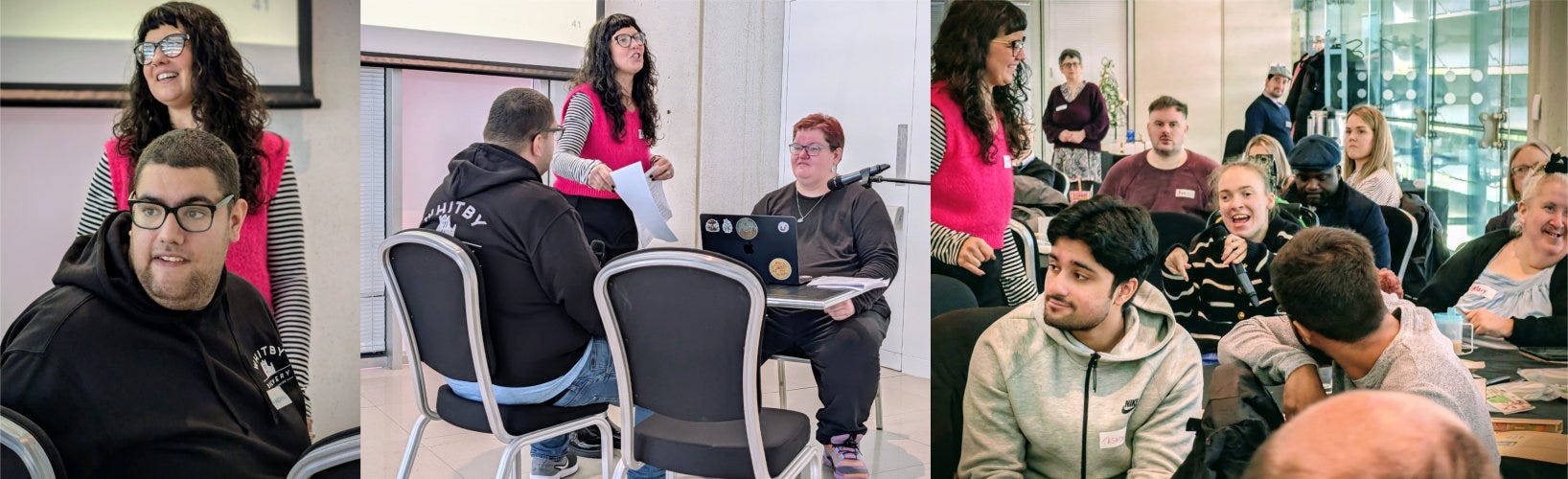
People did not hold back. Together, we reshaped the scene with simple but powerful improvements.
The doctor should turn away from the computer and give the patient full attention.
The patient’s Health Passport should already be on the system, so they do not have to repeat their story and the doctor understands how best to communicate.
The doctor must examine the patient’s chest and ask about allergies before prescribing antibiotics.
Instructions should be written in clear language, in clear writing, so that complex dosages are easy to follow.
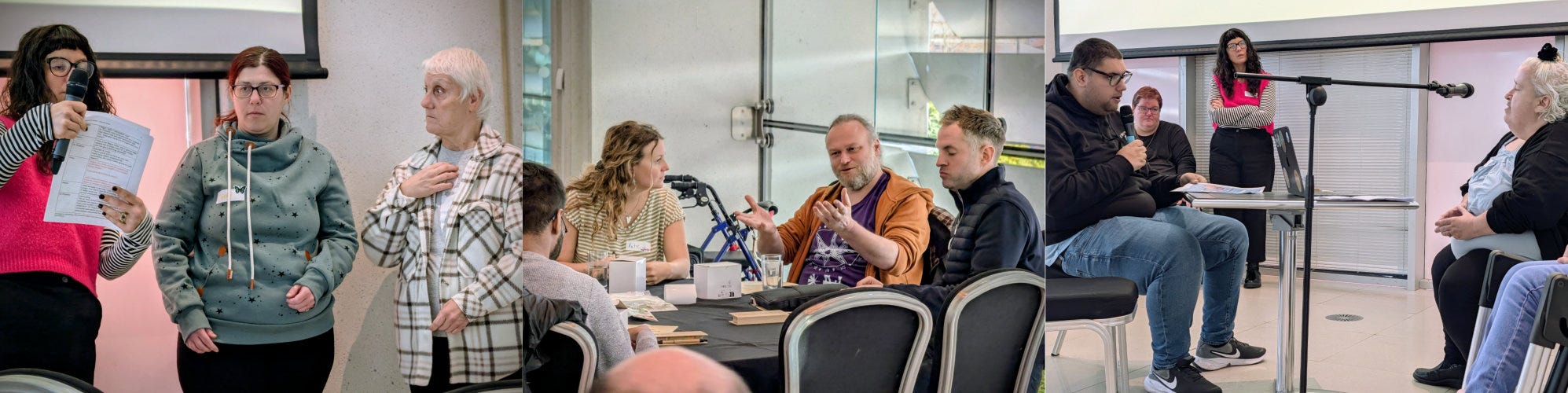
In a few minutes, the whole room showed what collective wisdom looks like in action. When we trust people’s lived experience, they do not only tell us what is wrong. They tell us how to put things right.
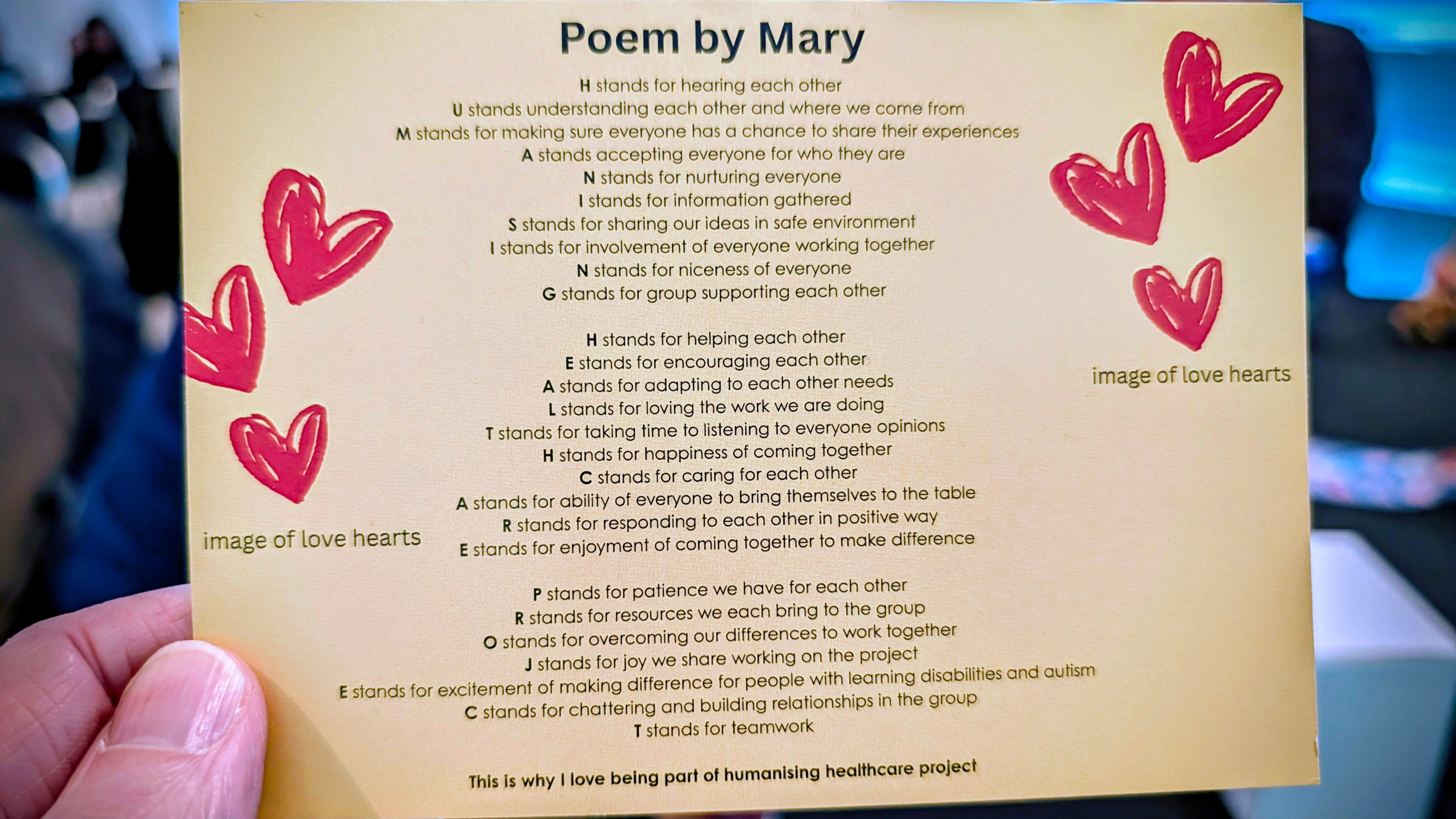
Later, in our session on compassionate care, Mary from Sheffield Voices and Jodie from Speakup each shared a poem they had written as part of the Humanising Healthcare project. Their words brought the emotional reality of the system into sharp focus.
Compassionate care: systems and humanity
After the performance, Eleanor Rutter, Assistant Director of Public Health, and I co led a session on compassionate care and what gets in the way of it.
Eleanor shared a deeply personal story about her son breaking his knee. She described having to wait twenty minutes just to register him in A&E, while he was in pain. Later, when he needed the toilet, a staff member refused to take him in a wheelchair for the short distance, because they said they were “not insured”.
In that moment, the system blocked a simple, human act of care.
To balance this, Eleanor told another story, this time of a bin man on a freezing Monday morning, who leaned in and whispered, “No, I am not allowed to, but I will,” before reaching over a wall to pull her bin through. That small act of rule bending kindness made her feel truly seen.
I shared a story from my own life. As a young child, after a major family upheaval, my life could easily have gone off the rails. A young social worker called Dave Farrant chose to see me as a human being, not just as a case on his books. He took me rock climbing in his own time. That one decision to let his humanity come first changed the whole direction of my life - how things have changed since the 1970’s.
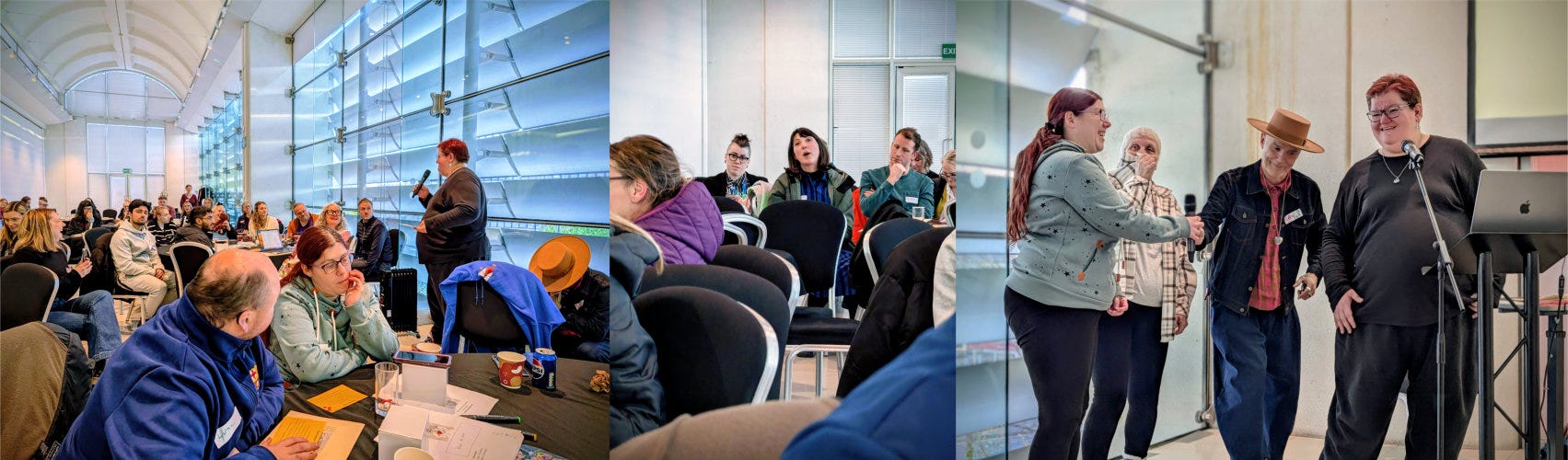
These stories led into rich table conversations.
We asked, what helps you feel truly seen and understood? People spoke about being called by their own name, having the difficulty of their situation acknowledged, hearing simple phrases like “that must be really hard for you”, and being given enough time instead of feeling pushed along.
We then asked, what gets in the way of doing the right thing? The same themes surfaced again and again. Heavy systems and bureaucracy. Fear of getting into trouble. Roles that feel tightly restricted, even for people who want to help.
Our final question brought everything together:
“What gets in the way of doing the right thing, and how can we make it easier to act with kindness and common sense?”
Put simply, when structures are built on fear, they trip up the very people who came into caring professions to make a difference. This is why we talk about tilting the floor towards natural, human connection, so that doing the right thing becomes easier, not harder.
The promise: a pledge to our human future
As we drew the event to a close, we came back to a simple truth. Everyone in that room had power. Not abstract power. The power to influence the future through the way they connect.
We ended with a shared promise.
Each person was invited to write a pledge on a postcard, beginning with the words:
“I pledge to humanise the system by…”
People sealed their pledges in envelopes addressed to themselves. These will be posted out in January as a gentle reminder of the commitment they made in that room, surrounded by others who care.
For me, this is contributive justice in practice. It moves us from being passive receivers of services to active shapers of the systems we live inside. It says that change does not only come from policy or procedure. It begins with personal choices, backed up by shared responsibility.
We are not waiting for some distant reform. Together, we are creating conditions in which kindness can flourish and where practical solutions grow from real lives.
Let us keep working together so that connection becomes the foundation for a flourishing Sheffield.
With warmth and purpose,
Brian Mosley
Founder, Love Sheffield & Project Ignite
Author of “Unlimited Drive” and “Contributive Justice in Practice”
Grassroots and soul upwards revolution. What are we prepared to be for ourselves for the change that we want to exude outside?
Thought provoking read. Thanks Brian.